


.webp)
Nepal, a Himalayan nation renowned for its breathtaking landscapes and rich cultural heritage, is a dream destination for adventurers and mountaineers alike. With its towering peaks, challenging trails, and warm-hearted people, Nepal offers a unique experience that is unparalleled in the world of mountaineering. In this in-depth guide, we'll delve into the essence of mountaineering in Nepal, from the iconic regions to thorough preparation tips, ensuring your journey is not only adventurous but also memorable.
Part 1: Nepal's Iconic Mountains
1.1. The Everest Region
The Everest region, home to the world's tallest peak, Mount Everest, is a mecca for mountaineers.
Notable peaks: Everest, Lhotse, Nuptse, Ama Dablam.
Experience the Sherpa culture in the bustling town of Namche Bazaar.
Challenges and rewards of climbing Everest.
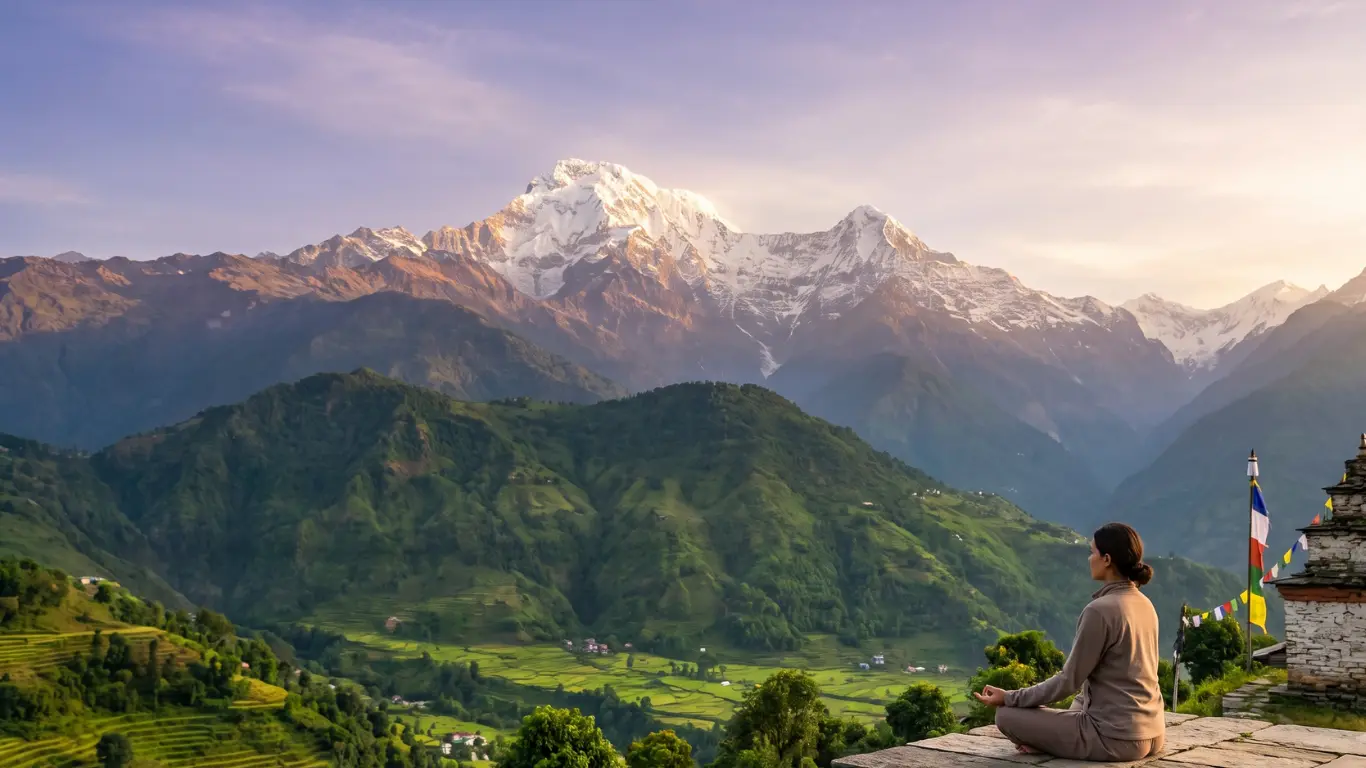
1.2. The Annapurna Region
Known for its diverse landscapes, the Annapurna region offers treks catering to various skill levels.
Notable peaks: Annapurna I, II, III, IV, and the sacred Machapuchare.
Explore charming villages and lush forests on treks like the Annapurna Circuit and Annapurna Base Camp.
The cultural tapestry of the Annapurna region.
1.3. The Langtang Region
A quieter alternative to the bustling Everest and Annapurna regions, Langtang offers serene vistas and cultural experiences.
Notable peaks: Langtang Lirung, Dorje Lakpa, Langshisha Ri.
Discover the unique Tamang and Sherpa cultures in Langtang Valley.
The Langtang National Park's conservation efforts.
Part 2: Planning Your Mountaineering Trek
2.1. Permits and Regulations
Obtain the necessary permits, such as the TIMS (Trekkers' Information Management System) and Sagarmatha National Park permits.
Familiarize yourself with the environmental and cultural regulations to protect Nepal's pristine natural environment.
Overview of recent permit updates and fees.
2.2. Trekking Seasons
Choose the best time for your trek, typically during the pre-monsoon (March to May) and post-monsoon (September to November) seasons.
Consider the less crowded off-season treks for unique experiences and lower costs.
Insights into the challenges of monsoon trekking.
2.3. Trek Difficulty
Understand the difficulty level of your chosen trek and plan your training and gear accordingly.
Consider hiring local guides and porters for safety and to support the local economy.
Tips for acclimatization and altitude sickness prevention.
2.4. Physical Preparation
Preparing your body for the rigors of the trek is essential. Focus on cardiovascular fitness, strength training, and endurance.
Insights into training routines and conditioning for high-altitude treks.
The psychological aspects of mountaineering and mental resilience.
Part 3: The Trekking Experience
3.1. What to Pack
Create a comprehensive packing list that includes appropriate clothing, trekking gear, and essential documents.
Invest in high-quality, breathable clothing suitable for variable weather conditions.
A detailed checklist of gear and clothing for different trekking regions.
3.2. Accommodation
Teahouses and lodges are prevalent along trekking routes, offering comfortable beds and delicious local food.
Camping is an option for more remote treks, providing a closer connection with nature.
Tips for booking teahouse accommodations and camping essentials.
3.3. Food and Hydration
Embrace the local cuisine to experience the flavors of Nepal while also carrying energy snacks.
Ensure safe drinking water by using water purification methods.
Local dishes and delicacies you must try during your trek.
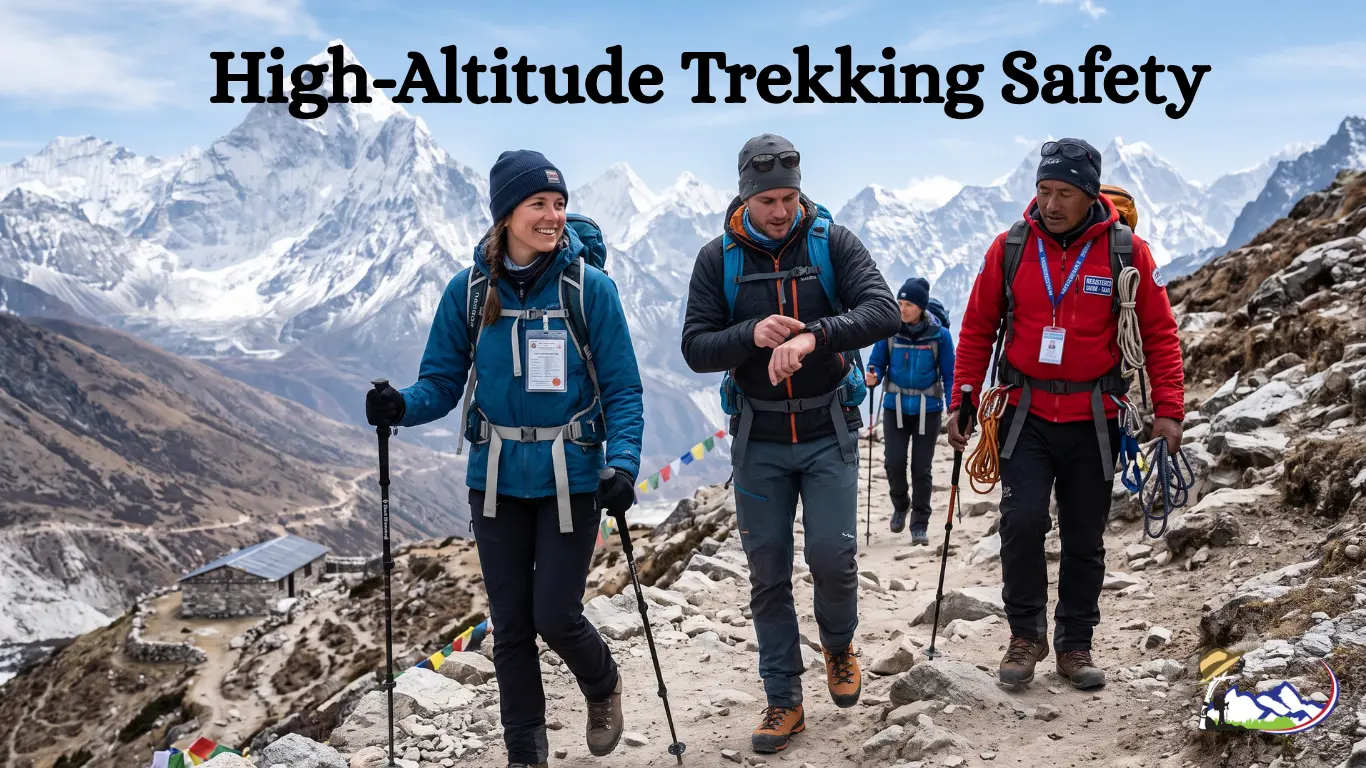
3.4. Safety and Health
Be aware of altitude sickness symptoms and follow acclimatization guidelines.
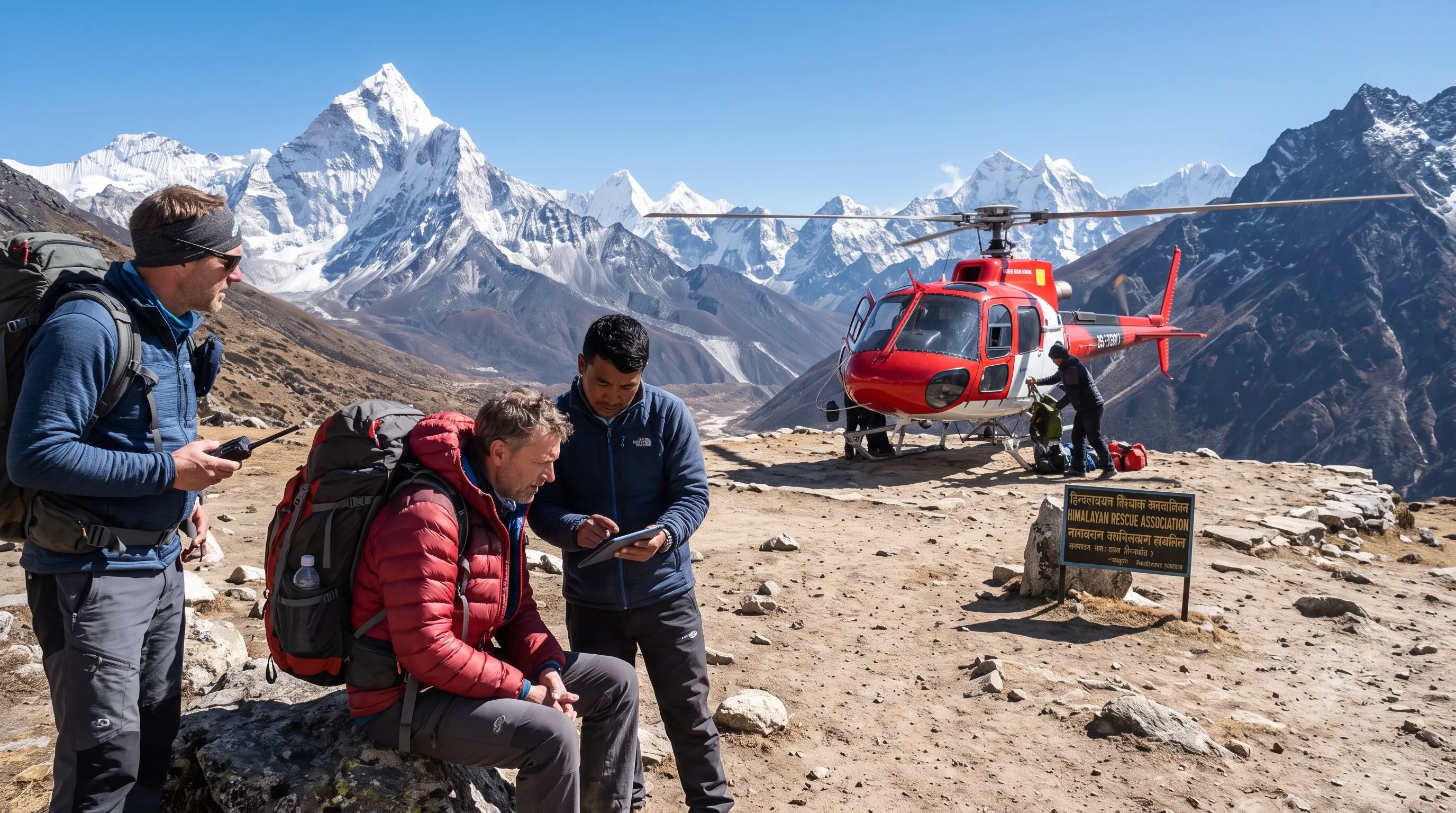
Carry a basic medical kit and ensure you have insurance covering emergency evacuations.
Local healthcare facilities and medical assistance options during treks.
Part 4: Cultural Insights
4.1. Embrace the Culture
Interact with locals and learn about their customs, traditions, and languages.
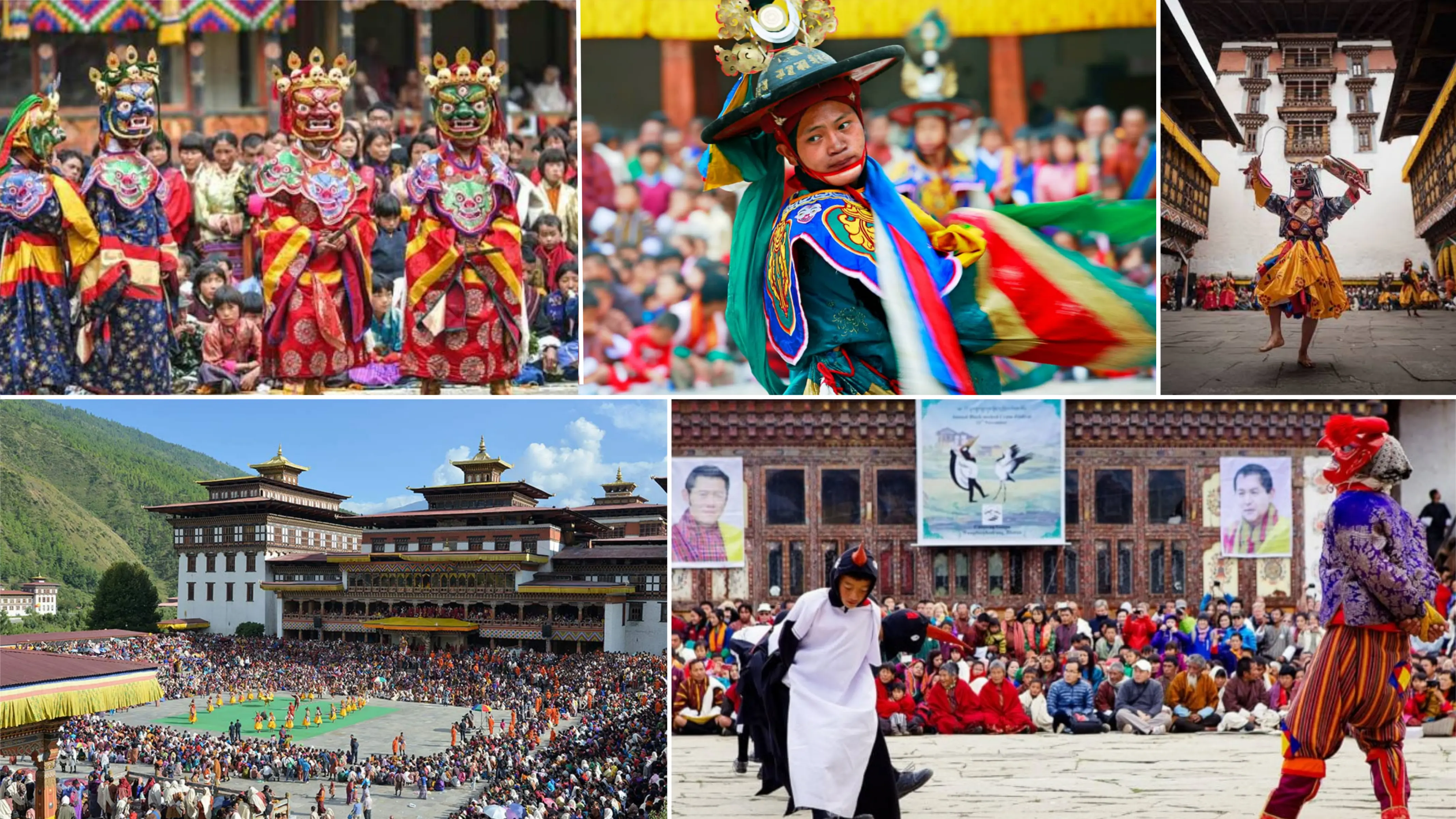
Participate in local festivals and ceremonies if the timing aligns with your trek.
The significance of festivals and cultural immersion in Nepal.
4.2. Responsible Tourism
Minimize your environmental impact by following "leave no trace" principles.
Support local communities by purchasing their handicrafts and products.
The role of sustainable tourism in preserving Nepal's pristine environment.
A mountaineering trek to Nepal is more than just an adventure; it's a life-altering journey that immerses you in the awe-inspiring grandeur of nature and introduces you to the warmth of Nepalese culture. Whether your goal is to conquer a towering peak or to explore the serene trails, Nepal has it all. To make the most of your experience, proper preparation, cultural sensitivity, and a deep respect for the environment are essential. So, lace up your hiking boots, prepare for the journey of a lifetime, and embark on an unforgettable mountaineering adventure in the heart of the Himalayas. Nepal is waiting to share its secrets and stories with you.

Commentaires
post comment