


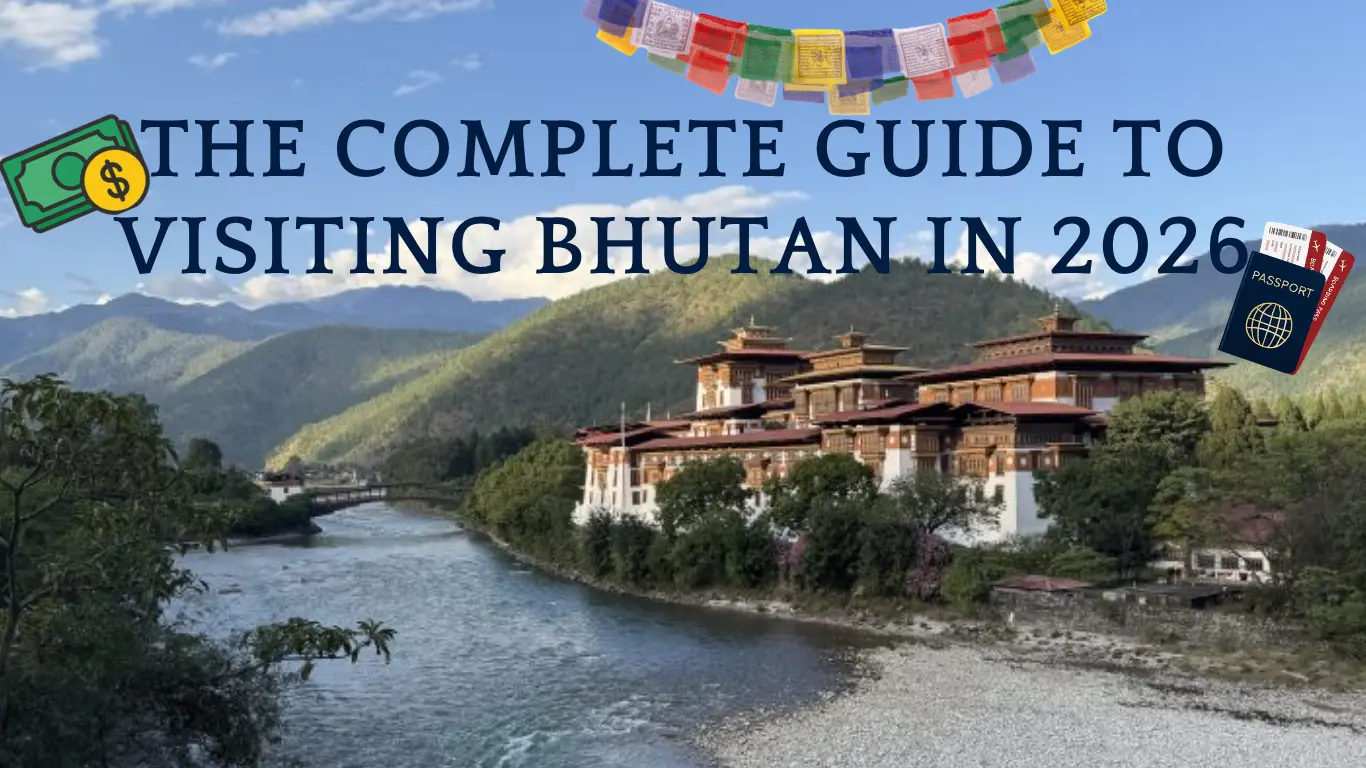
Why Visit Bhutan in 2026?
With ongoing developments in international tourism, Bhutan has
simplified the travel planning process through updated visa requirements,
enhanced tourism facilities, and an expanding selection of lodging and tour
options. Nevertheless, Bhutan has maintained its commitment towards
environmental protection and cultural preservation through responsible tourism
policies. Travelers have the opportunity to visit famous sights like Tiger's
Nest Monastery, walk around the beautiful city of Thimphu, enjoy the scenery of
Punakha, or even venture into unknown territories that not many people know
about. Every trip is filled with nature and culture on a daily basis.
This comprehensive guide will provide you with all the
information that you need for your visit to Bhutan in 2026. It includes updated
visa regulations, travel costs, the Sustainable Development Fee (SDF),
recommended tours, when to travel, and many more tips to make your journey
easier and more memorable. If you plan on enjoying some time in Bhutan during
your cultural holiday or exploring its breathtaking Himalayas, then read this
guide until the very end.
Bhutan Entry Requirements and Visa Process for 2026
When planning your holiday in Bhutan in 2026, you will notice
that getting a visa for Bhutan has never been easier. Most foreign travelers
need a visa, whereas Indian, Bangladeshi, and Maldivian nationals have
different entry conditions. Within the process of applying for a visa,
qualified tourists have to pay the one-time visa fee and the Sustainable
Development Fee (SDF). It is better to file an application at least two to
three weeks prior to your departure and make sure that your travel documents
are valid and correct.
·
Required Documents
·
Passport valid for at least six months from your
planned departure date.
·
Recent passport-sized digital photograph.
·
Confirmed travel dates and itinerary.
·
Valid travel insurance covering your stay in
Bhutan.
·
Proof of payment for the visa fee and
Sustainable Development Fee (SDF), where applicable.
·
Eligibility Criteria
·
Travelers from most countries must obtain a
Bhutan tourist visa before arrival.
·
Citizens of India, Bangladesh, and the Maldives
have separate entry and permit procedures.
·
Applicants must hold a valid passport and meet
Bhutan's tourism entry requirements.
·
Step-by-Step Bhutan Visa Application Process
·
Complete the online visa application or apply
through a licensed Bhutanese tour operator or approved hotel.
·
Upload your passport copy, photograph, and other
required documents.
·
Pay the visa application fee and applicable
Sustainable Development Fee (SDF).
·
Wait for your visa application to be reviewed
and approved.
·
Receive your visa approval letter electronically
and present it when boarding your flight and upon arrival in Bhutan.
How Much Does a Trip to Bhutan Cost in 2026?
The image of Bhutan as an expensive country is largely
dependent upon the mode of travel, duration, and choice of accommodations.
However, all foreigners except Indians, Bangladeshis, and Maldivians, who are
governed by separate policies, have to pay the Sustainable Development Fee
(SDF) and a one-time visa fee. In spite of the mandatory payment of visa fees
by all tourists, they still have the freedom of selecting hotels, food, and
tours according to their preference. The travelers who prefer to keep expenses
low should be accommodated in regular hotels, whereas luxurious travelers could
indulge themselves in the best possible services provided by the five-star
resorts in Bhutan.
·
Sustainable Development Fee (SDF): US$100 per
adult, per night for most international visitors. Children aged 6–11 pay US$50
per night, while children under 6 are exempt.
·
Visa Processing Fee: US$40 per person (one-time,
non-refundable).
·
Budget Accommodation (3-star): US$40–80 per
night.
·
Mid-range Hotels (4-star): US$80–180 per night.
·
Luxury Hotels & Resorts (5-star):
US$250–800+ per night.
·
Local Transportation: US$30–100 per day,
depending on itinerary and vehicle type.
·
Daily Meals: Budget restaurants cost US$5–10 per
meal, mid-range restaurants average US$10–25 per meal, while fine dining and
luxury hotel restaurants range from US$30–60+ per meal.
·
Round-trip Flights (Approximate): Kathmandu
(US$250–500), Delhi (US$300–600), Bangkok (US$500–900), Singapore
(US$600–1,000), and Dubai (US$800–1,300). Airfares vary based on the season,
airline, and how far in advance you book.
Note: These figures are average estimates and may vary
depending on the travel season, airline availability, booking time, and the
type of accommodation or tour package you choose.
Best Time to Visit Bhutan: Weather and Seasonal Highlights
Bhutan can be visited throughout the year, yet depending on
the kind of experience one wants, the appropriate time varies. There are four
different seasons in Bhutan. Nevertheless, Spring and Autumn are considered the
best seasons due to favorable weather, good visibility, and various festivals.
It is the right time for sightseeing, trekking, wildlife photography, and
visiting the famous monasteries and valleys of Bhutan. Even though winter and
summer seasons also have advantages, the majority of travelers visiting Bhutan
in 2026 will benefit the most during the spring and autumn travel seasons.
·
Spring (March to May): Spring is one of the most
popular times to visit Bhutan, thanks to its mild weather, blooming
rhododendrons, and crystal-clear Himalayan views. Daytime temperatures range
from 10°C to 25°C, depending on the altitude. The countryside comes alive with
colorful wildflowers, making it an excellent season for trekking, hiking,
photography, and sightseeing. Visitors can also experience one of Bhutan's
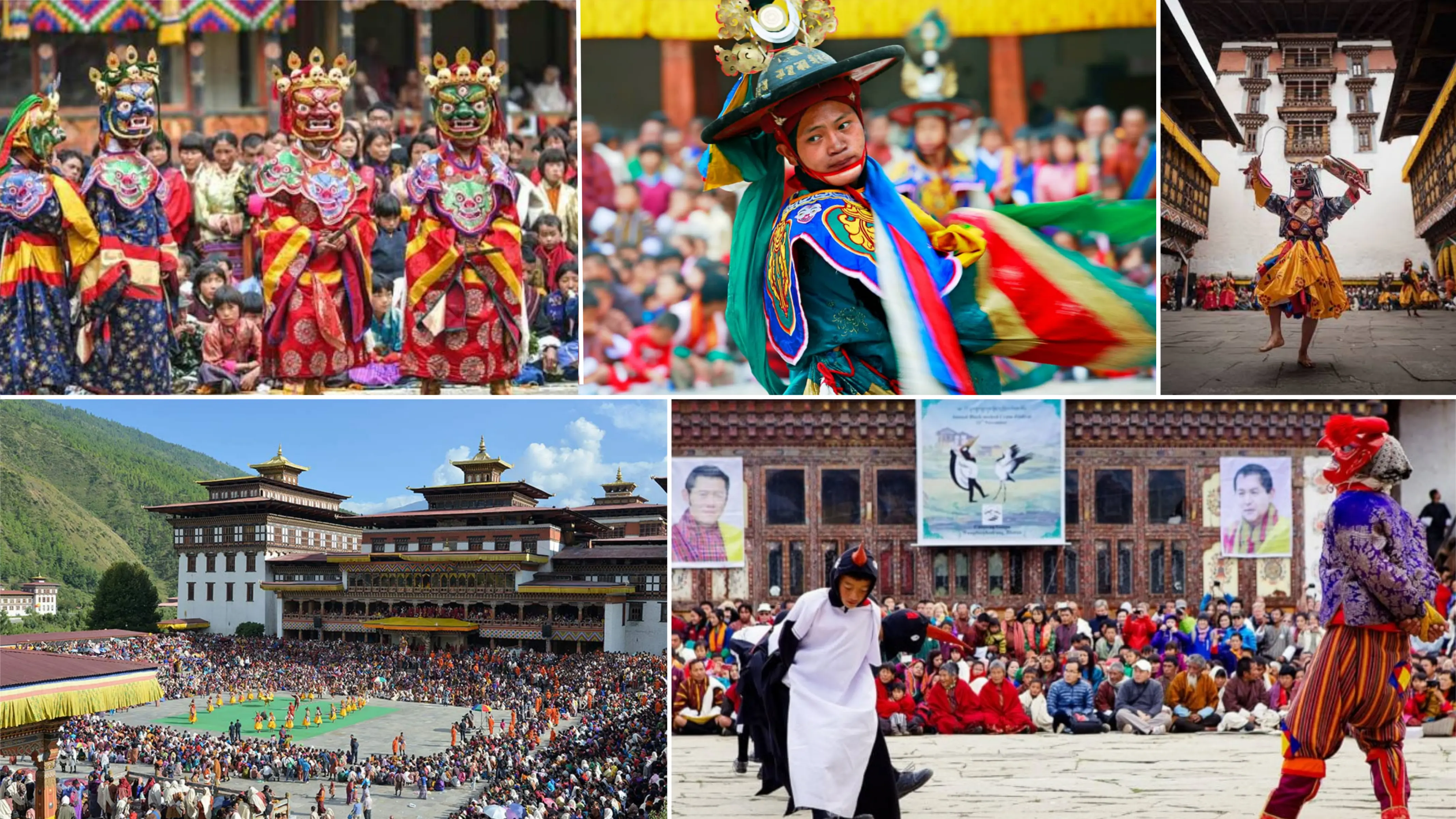
biggest cultural celebrations, the Paro Tshechu Festival, where monks and
locals perform traditional masked dances in elaborate costumes. Wildlife
enthusiasts will also enjoy the lush forests and active birdlife during this
season.
·
Autumn (September to November): Autumn is
considered the peak travel season in Bhutan due to its dry weather, crisp air,
and spectacular mountain visibility. Temperatures range between 8°C and 22°C,
creating ideal conditions for outdoor adventures and cultural exploration. The
skies are clear, offering breathtaking views of snow-capped Himalayan peaks and
making this the best season for popular treks such as the Druk Path Trek and
Jomolhari Trek. Autumn is also famous for major festivals like the Thimphu
Tshechu, where visitors can witness centuries-old Buddhist traditions, vibrant
performances, and local celebrations. Combined with golden rice fields and
pleasant weather, autumn provides one of the most rewarding travel experiences
in Bhutan.
Suggested Bhutan Itineraries
An ideal itinerary for your trip to Bhutan would depend on
your available time as well as what you are seeking. Although it is possible to
visit Bhutan in a few days, spending up to one week or more can give you time
to enjoy its various scenery, culture, and peaceful monasteries. Regardless of
whether you are a first-timer and wish to visit some landmarks or prefer
adventurous trekking, there is an itinerary that can suit your travel
preference. The following are some suggested durations for your trip to Bhutan
in 2026:
·
4–5 Days (Best for First-Time Visitors): Choose
this itinerary if you have limited time but want to experience Bhutan's most
famous attractions. Visit Paro, Thimphu, and the iconic Tiger's Nest Monastery
while exploring local markets, temples, and cultural landmarks.
·
6–7 Days (Best for Culture and Scenic
Exploration): This is the most popular itinerary for travelers who want a
balanced experience. In addition to Paro and Thimphu, you'll visit Punakha to
see its magnificent dzong, suspension bridge, and picturesque valleys while
enjoying Bhutan's rich history and natural beauty.
·
8–10 Days (Best for Nature Lovers and Adventure
Travelers): Choose this itinerary if you want to explore beyond the main
tourist circuit. Along with the classic destinations, you'll have time for
scenic hikes, longer nature walks, traditional villages, and regions such as
Phobjikha Valley, famous for its stunning landscapes and black-necked cranes
during the winter season.
·
11–14 Days (Best for an In-Depth Bhutan
Experience): If you want to fully immerse yourself in Bhutan, this itinerary
offers the perfect balance of culture, nature, and adventure. Explore remote
valleys, attend local festivals (if your travel dates align), enjoy multi-day
trekking opportunities, and experience authentic village life while discovering
parts of Bhutan that many visitors never see.
Top Places to Visit and Must-Have Experiences in Bhutan
Though the land of Bhutan is tiny, the country features many
amazing destinations with spectacular views, old temples, festivals, and the
authentic culture of the Himalayas. Each place of interest in this beautiful
country is unique in its own way, with its lively towns, forts, valleys, or
trekking routes. So no matter whether you travel to Bhutan for the first time
or you already know the country well and want to visit somewhere off the beaten
track, these are the destinations you should definitely see.
·
Paro (Best Destination for Iconic Landmarks):
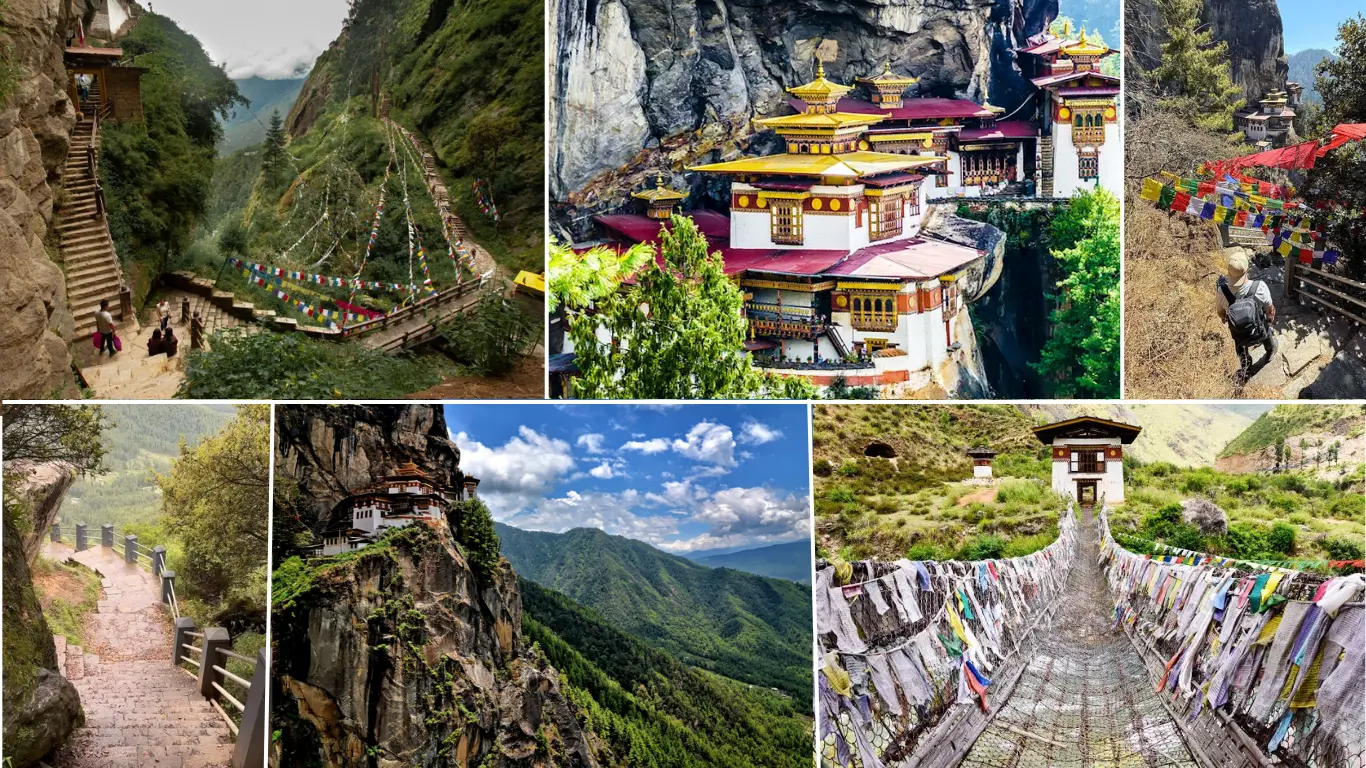
Choose Paro to visit Bhutan's most famous attraction, Tiger's Nest Monastery
(Paro Taktsang), perched dramatically on a cliffside. The valley is also home
to the National Museum, Rinpung Dzong, traditional farmhouses, and Bhutan's
only international airport, making it the perfect starting point for any
itinerary.
·
Thimphu (Best for Culture and City Experiences):
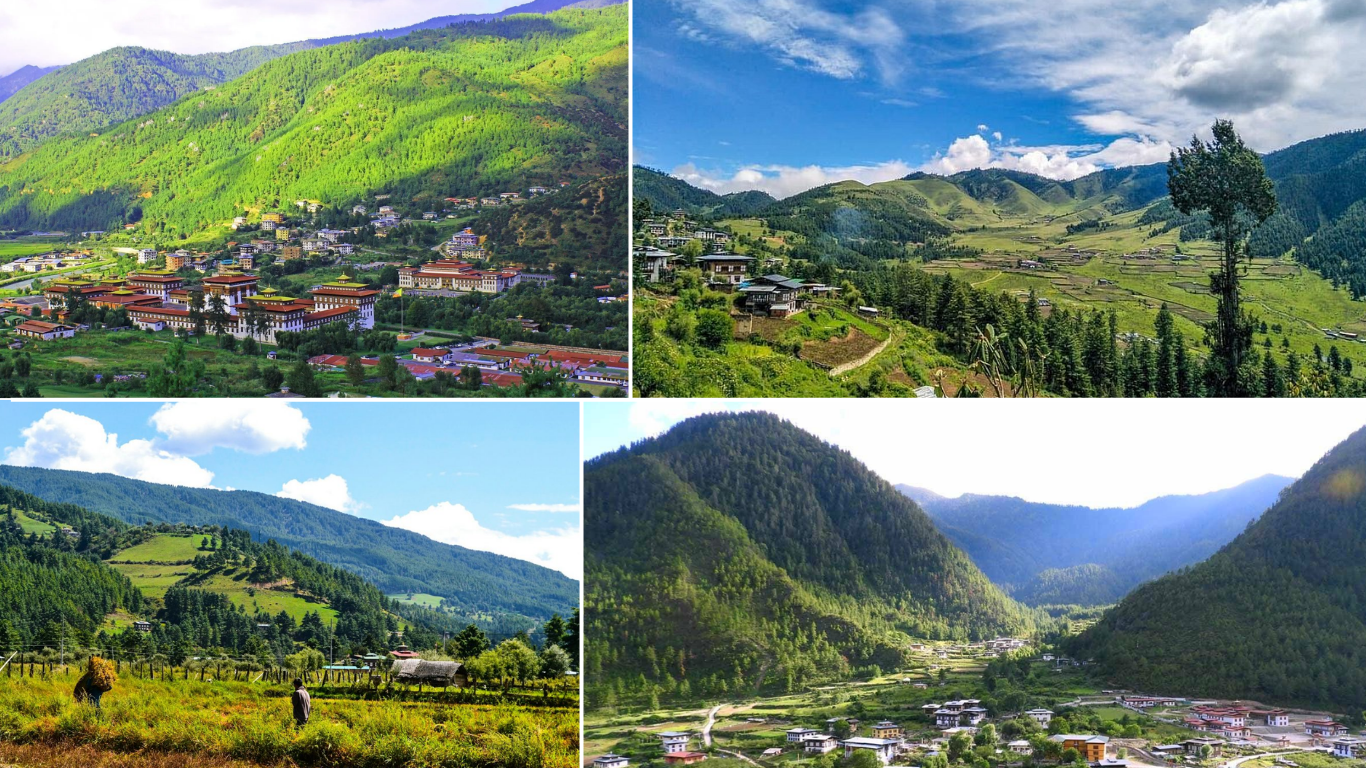
Bhutan's capital combines modern conveniences with centuries-old traditions.
Visit the towering Buddha Dordenma statue, Tashichho Dzong, the National
Memorial Chorten, local handicraft markets, museums, and authentic restaurants.
It's the ideal destination for experiencing Bhutanese culture without the
crowds found in larger Asian cities.
·
Punakha (Best for Scenic Beauty and Historic
Architecture): Known for its pleasant climate and lush valleys, Punakha is
famous for the magnificent Punakha Dzong, one of Bhutan's most beautiful
fortresses. Visitors can also walk across the picturesque Punakha Suspension
Bridge, hike to Chimi Lhakhang, and enjoy peaceful riverside landscapes.
·
Phobjikha Valley (Best for Nature and Wildlife):
This stunning glacial valley is a paradise for nature lovers. It's especially
popular during the winter months when endangered black-necked cranes migrate
here from Tibet. Visitors can enjoy scenic hiking trails, traditional villages,
and breathtaking panoramic views while experiencing Bhutan's commitment to
environmental conservation.
·
Bumthang Valley (Best for Spiritual and Cultural
Exploration): Often referred to as Bhutan's spiritual heartland, Bumthang is
home to some of the country's oldest temples and monasteries. It's an excellent
destination for travelers interested in Buddhism, local legends, peaceful
countryside, and authentic Bhutanese village life.
·
Dochula Pass (Best for Himalayan Mountain
Views): Located between Thimphu and Punakha, Dochula Pass offers spectacular
panoramic views of the snow-capped Himalayas on clear days. The pass is also
famous for its 108 memorial chortens, making it one of Bhutan's most
photographed landmarks and a popular stop for travelers exploring central
Bhutan.
·
Traditional Tshechu Festival (A Must-Have
Cultural Experience): If your travel dates coincide with one of Bhutan's famous
Tshechu festivals, don't miss the opportunity to witness colorful masked
dances, religious ceremonies, traditional music, and vibrant local
celebrations. These festivals provide one of the most authentic ways to
experience Bhutanese heritage and Buddhist traditions.
Essential Travel Tips for First-Time Visitors to Bhutan
A visit to Bhutan differs significantly from visits to other
countries, and a bit of planning can go a long way. Being environmentally
friendly is among the priorities of Bhutan, which results in travelers having
to follow some specific traditions and rules while traveling there. Knowing how
to behave with locals, choosing appropriate clothing, and pre-planning your
route will make your trip much more enjoyable and pleasant. Whether it be
visiting ancient monasteries, trekking in the Himalayan Mountains, or
participating in traditional festivals, these travel tips will help
first-timers explore Bhutan effectively.
·
Apply for your visa early to avoid last-minute
delays, especially if you're traveling during the peak seasons.
·
Carry a passport with at least six months of validity
from your planned departure date.
·
Pack clothing in layers, as temperatures can
vary significantly between valleys, mountain passes, and different times of the
day.
·
Wear comfortable hiking shoes if you plan to
explore Bhutan's trekking trails.
·
We also suggest you dress modestly and cover
your knees and shoulders when visiting monasteries, temples, and dzongs.
·
Respect local customs by asking permission
before photographing monks, religious ceremonies, or local residents.
·
Carry Bhutanese Ngultrum (BTN) in cash, as
smaller shops and rural areas may not accept international cards.
·
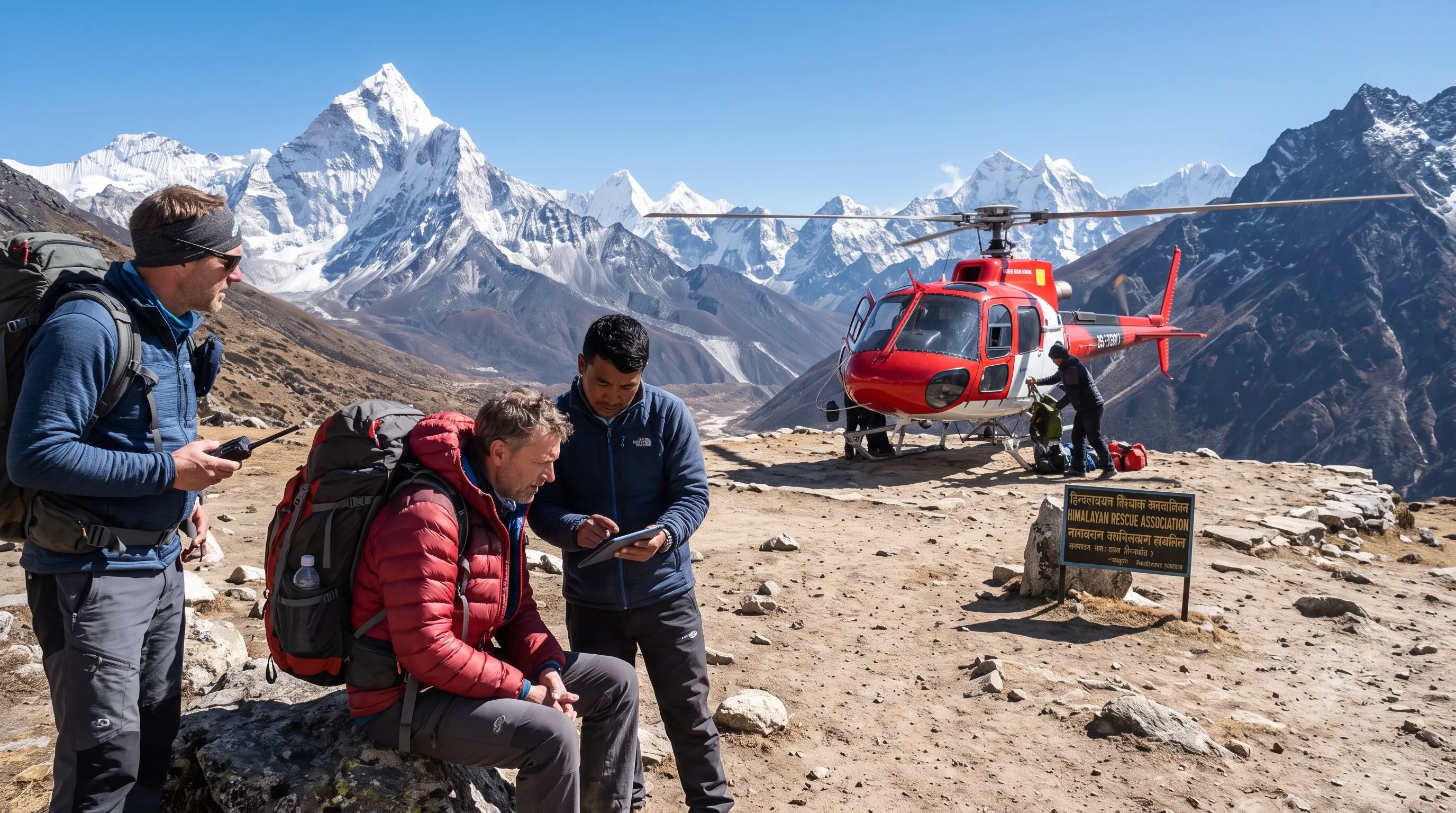
Purchase comprehensive travel insurance that
covers medical emergencies, trip cancellations, and high-altitude activities.
·
Stay hydrated and take it easy during your first
day if you're traveling to higher elevations to reduce the risk of altitude
sickness.
·
Book flights, hotels, and tours well in advance
if you plan to visit during peak seasons; availability may vary.
·
Try authentic Bhutanese dishes like ema datshi,
red rice, and suja (butter tea) for a true taste of local cuisine.
·
Follow Leave No Trace principles by disposing of
waste responsibly and respecting Bhutan's commitment to environmental
conservation.

Commentaires
post comment